How to Manage an Active Roof Leak: Immediate Steps for Homeowners
Waking up to the sound of water steadily dripping from your ceiling is one of the most stressful experiences a homeowner can face. When unexpected storms hit the Wasatch Front, unpredictable weather conditions can turn a small vulnerability in your shingles into a major interior crisis. If you are caught off guard, knowing exactly how to react can mean the difference between a simple ceiling patch and thousands of dollars in water damage mitigation.
At Ironshell Roofing, we understand that panic is the natural first response. However, managing an active leak requires a calm, systematic approach to protect your property and your family. In this guide, we will walk you through the essential emergency roof leak repair steps, help you understand when to call in the professionals, and explain how to navigate the often-frustrating insurance claims process.
What to Do When Your Roof Leaks Inside
When water starts breaching your interior spaces, your immediate priority is minimizing damage to your home and belongings. Many homeowners freeze, wondering what to do when roof leaks inside their living spaces.
First, clear the affected area. Move furniture, rugs, and electronics well out of the splash zone. If a piece of heavy furniture cannot be moved, cover it tightly with a waterproof plastic tarp. Next, place buckets or large cooking pots directly under the drips. Pro tip: lay down old towels inside the bucket to muffle the dripping sound and prevent water from splashing back out onto your floors.
If you notice the drywall on your ceiling bubbling or bowing downward, this means water is pooling heavily above it. While it might seem counterintuitive, you should take a screwdriver or a small awl and carefully poke a hole in the center of the bulge. This releases the water pressure, allowing it to drain cleanly into your waiting bucket. If you let the water pool unchecked, the entire ceiling panel could collapse under the weight, causing massive structural damage and a much larger mess.
How to Stop a Roof Leak During Heavy Rain
One of the most common questions we get is how to stop roof leak during heavy rain. The hard truth is that climbing onto your roof during an active storm is incredibly dangerous. Wet shingles are remarkably slick, and high winds make the situation even more hazardous. We strongly advise against attempting DIY repairs while it is actively pouring.
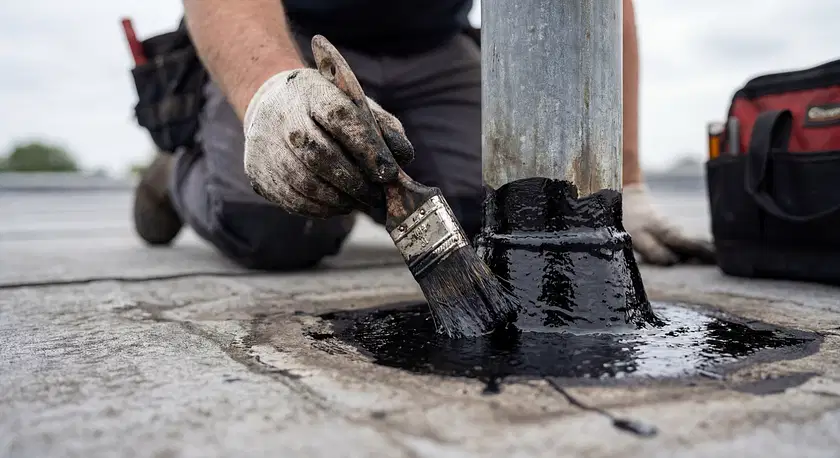
Instead, focus on temporary interior mitigation until the weather breaks. If you have safe access to an unfinished attic, you can sometimes locate the source of the leak from the inside. Keep in mind that water often travels along rafters before dropping onto the ceiling below, so the actual roof puncture may be higher up than the water stain suggests. If you can find the entry point, you can apply roofing cement or waterproof tape as a temporary stopgap from the inside.
Once the storm has passed and the roof is dry, a temporary exterior tarp can be applied if you have the proper safety equipment. However, because steep pitches and heights are involved, tarping is usually best left to trained roofing companies who follow strict OSHA fall-protection standards.
Navigating Insurance and Avoiding Scams
After you have secured the interior of your home, it is time to seek professional roofing repair. This is where homeowners need to be highly vigilant. Following severe weather events, it is common for out-of-state storm chasers to flood the area, offering extremely low prices but delivering subpar workmanship. Always choose a reliable, locally licensed contractor who will be around to honor their warranty long after storm season ends.
Homeowners frequently ask us: does homeowners insurance cover roof replacement after storm damage? In most cases involving sudden, accidental damage from wind, hail, or fallen branches, the answer is yes. However, delayed payouts from insurance companies can be incredibly frustrating and put a strain on your household finances.
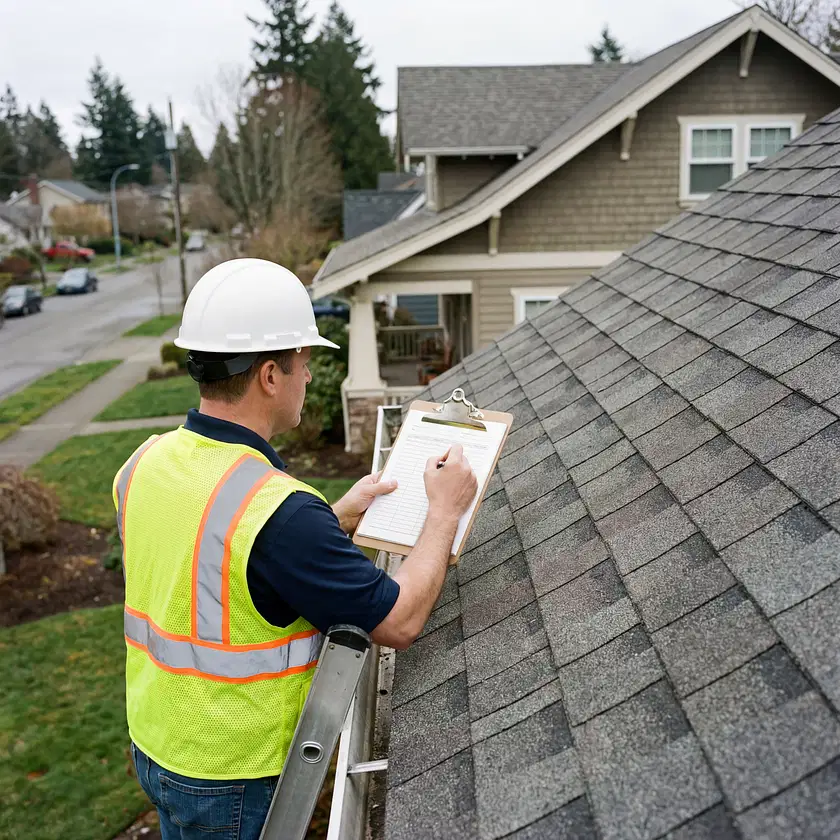
To combat this, modern contractors use advanced technology to speed up the process. At Ironshell Roofing, we utilize drone inspections to safely and thoroughly document storm damage, providing high-resolution evidence that insurance adjusters can process quickly. We also provide clear and upfront pricing estimates so you know exactly what the restoration will cost without any hidden surprises.
Recognizing When It's Time for a Replacement
Sometimes a leak is just a symptom of a much larger issue. How long does an asphalt shingle roof typically last? Generally, you can expect 15 to 25 years of reliable protection. If your roof is nearing the end of its lifespan, a leak might be a sign that it is time for a complete replacement rather than a patch job.
Signs you might need a full replacement include widespread granule loss, curling or cracked shingles, or multiple active leaks occurring in different rooms. Layering new shingles over old ones might seem like an affordable roofing strategy in the short term, but a complete tear-off is almost always the better investment to ensure the underlying decking is sound and secure.
Fast, Reliable Help When You Need It Most
Dealing with a compromised roof is never on your schedule, but having a trusted local partner makes the recovery process much smoother. Our team is dedicated to providing high-quality workmanship and rapid response times to protect your most valuable asset.
If you are currently managing an unexpected leak or need a thorough post-storm inspection, do not wait for the damage to spread. Ironshell Roofing provides rapid emergency roofing services for homeowners in American Fork and the surrounding communities. Contact us today to get a transparent assessment and secure your home against the next storm.