Architectural Shingles vs. Metal Roofing: Which is Best for Your Home?
If you are planning a roof replacement along the Wasatch Front, you already know that our local weather can be incredibly demanding. Between heavy winter snowfall, high winds, and intense high-desert sunlight during the summer, choosing the right roofing material is one of the most important decisions you will make for your home.
Many homeowners find themselves weighing two popular options: architectural shingles and metal roofing. Both materials offer excellent protection, but they have distinct differences in terms of longevity, aesthetics, and upfront roofing cost. At Ironshell Roofing, we understand that sifting through material options and avoiding out-of-state storm chasers can be stressful. We are here to provide clear, upfront information to help you make an educated choice for your property.
The Case for Architectural Shingles
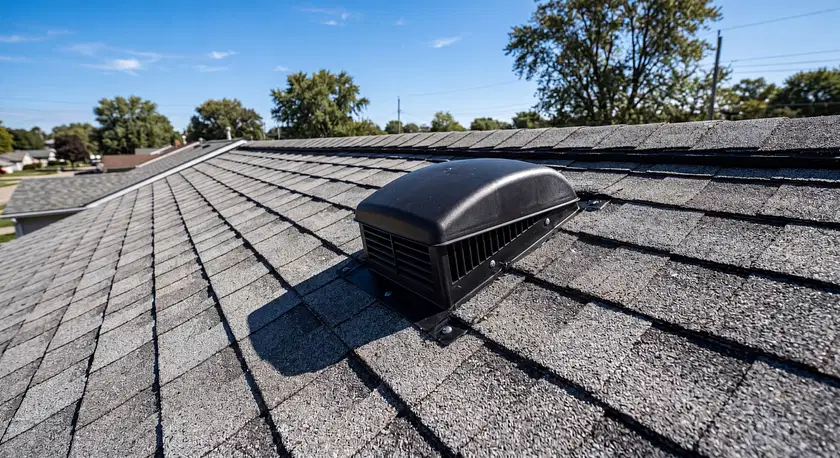
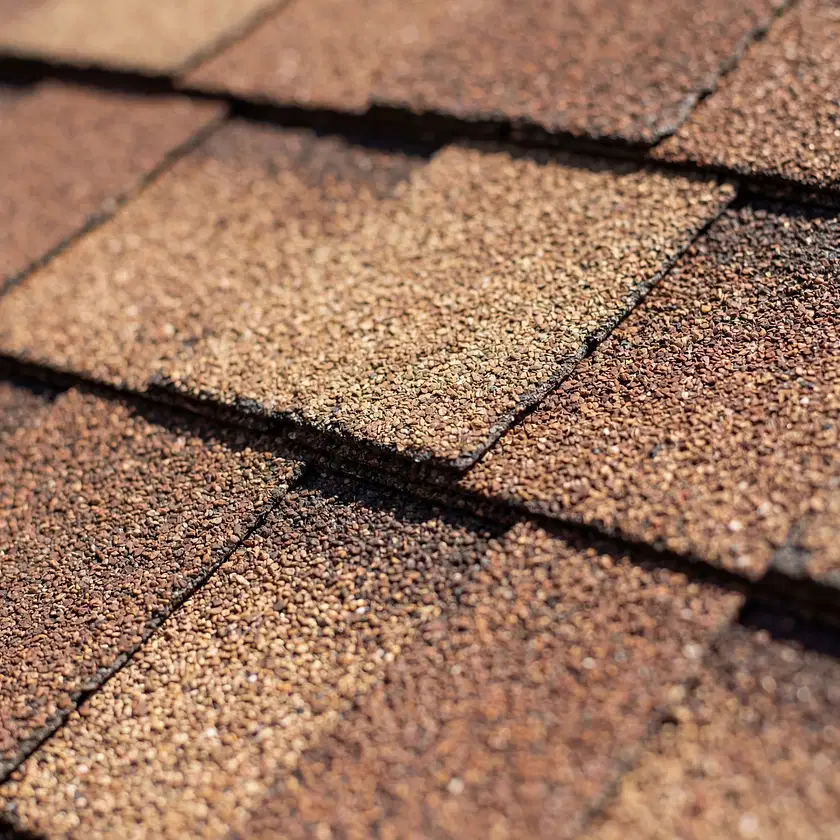
When homeowners ask about the best type of roofing material for their homes, architectural shingles are often the first recommendation for traditional residential properties. Unlike older, flat 3-tab shingles, architectural shingles (also known as dimensional shingles) are constructed with multiple layers of fiberglass and asphalt. This gives them a thicker, richer appearance that mimics the look of natural wood shake or slate.
So, how long do architectural shingles last? In typical conditions, a high-quality architectural shingle roof can last anywhere from 25 to 30 years. They are engineered to withstand significant wind speeds and offer excellent fire resistance.
Because they are widely used, architectural shingles are generally more affordable upfront than metal alternatives. They also make roofing repair relatively straightforward should a stray branch or severe hail cause isolated damage. However, it is important to remember that prolonged exposure to extreme UV rays and freeze-thaw cycles can eventually wear down the asphalt granules over decades.
The Case for Metal Roofing
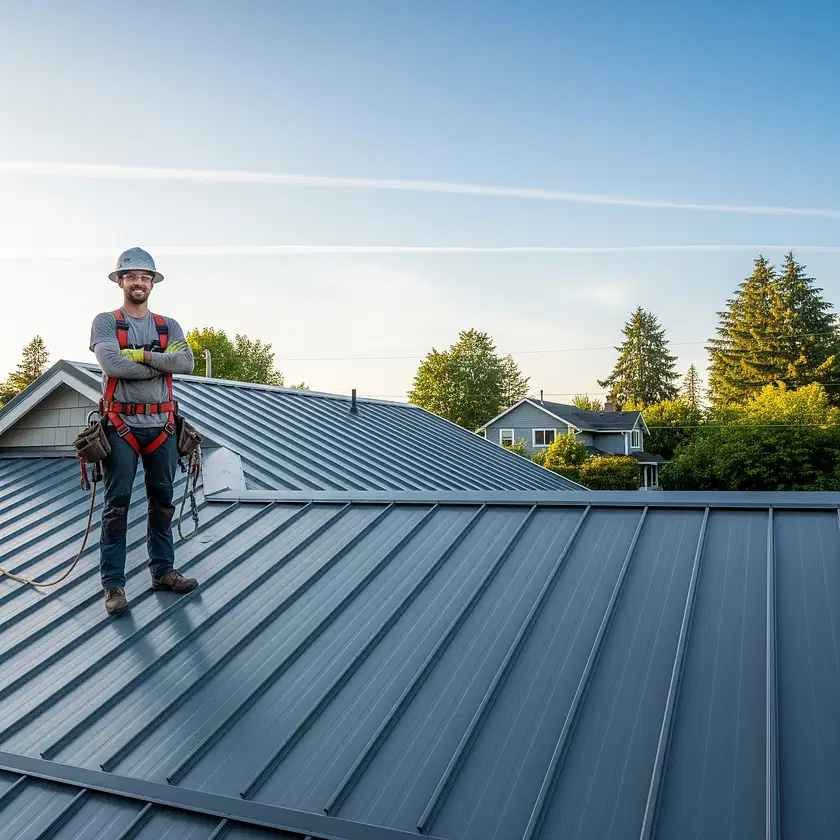
Metal roofing has seen a massive surge in popularity, especially for homeowners looking to modernize their exteriors or invest in a permanent roofing solution. When comparing asphalt shingles versus standing seam metal roofs, the most striking difference is longevity. A properly installed standing seam metal roof can last 50 years or more.
Standing seam metal roofs feature interlocking panels with concealed fasteners, making them virtually impervious to water intrusion. They are incredibly resilient against harsh weather—snow easily slides off the slick surface, preventing ice dam buildup, and they reflect solar heat, which can improve your home's energy efficiency during hot summer months. Furthermore, they provide a perfect platform for mounting solar panels without penetrating the roofing material.
While metal is exceptionally durable and eco-friendly (often made from recycled materials), it does come with a higher initial roofing cost. Additionally, heavy rain or hail can be slightly noisier on a metal roof, though proper insulation mitigates this almost entirely.
Weighing the Pros and Cons
If you are evaluating metal roof versus architectural shingles pros cons, your decision typically comes down to your budget, your long-term plans for the house, and your aesthetic preferences.
Architectural Shingles:
- Pros: Lower initial investment, beautiful dimensional appearance, easy to repair, and readily accepted by all homeowners' associations.
- Cons: Shorter lifespan compared to metal, absorbs more heat in the summer, and requires replacement sooner.
Metal Roofing:
- Pros: Unmatched durability (50+ years), excellent snow shedding, highly energy efficient, and fully recyclable.
- Cons: Higher upfront cost, requires specialized installation skills, and may require approval from certain restrictive HOAs.
Whether you live right at the Point of the Mountain or further out in the suburbs, it is also crucial to consider workmanship and warranties. A premium material is only as good as the team installing it. Always ensure you are working with a licensed and fully insured local contractor who will be around to honor their warranty terms long after the job is finished.
Making the Right Choice for Your Home
There is no one-size-fits-all answer when choosing between architectural shingles and metal roofing. Both options offer fantastic protection and curb appeal. The right choice depends on your specific budget, how long you plan to stay in your home, and the specific weather challenges your property faces.
At Ironshell Roofing, we pride ourselves on delivering top-tier Residential Roofing services tailored to the unique needs of our local communities in Utah Valley and beyond. Our team is here to answer your questions, provide transparent estimates, and ensure your home is protected by the highest quality workmanship.
Ready to find out which roof is right for you? Contact us today to schedule a consultation and get a clear, upfront quote for your next roofing project.